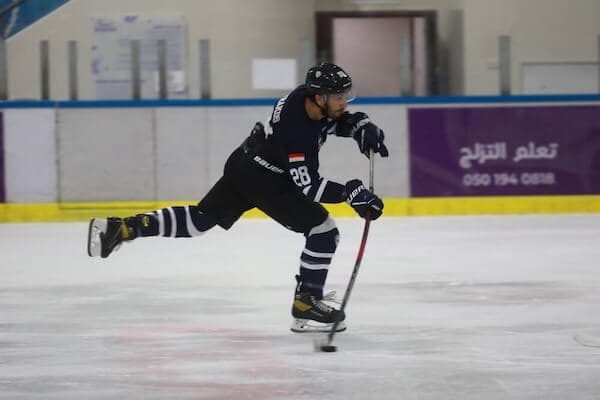
Understanding Herniated Discs in Hockey Players
Herniated discs are a prevalent injury in hockey due to the sport's physical nature. The spine is subjected to significant stress during gameplay, making it crucial for players to understand how to manage and rehabilitate this type of injury effectively. This article provides comprehensive rehabilitation strategies to help players recover from a herniated disc and return to the game stronger than ever.
Consulting Professionals: The First Step
Before embarking on any rehabilitation journey, it is vital to consult with a healthcare professional. A sports medicine doctor or a licensed physical therapist can diagnose the extent of the herniation and create a tailored rehabilitation plan. This step is crucial for ensuring a safe recovery and minimizing the risk of re-injury.
Initial Rest and Activity Modification
In the early stages of recovery, rest is paramount. Hockey players must avoid activities that could exacerbate their condition. Here are some strategies for modifying daily activities:
Avoid High-Impact Movements: Steer clear of activities that involve heavy lifting or sudden twisting motions.
Practice Proper Posture: Maintain good posture while sitting or standing to reduce stress on the spine.
Use Supportive Gear: Implement ergonomic chairs or lumbar support cushions when sitting for extended periods.
The Role of Physical Therapy
Engaging in physical therapy is a cornerstone of rehabilitation. A skilled therapist will develop a personalized exercise regimen focused on:
Strengthening Core Muscles: A strong core stabilizes the spine and supports overall posture. Incorporate exercises such as:
Planks: Engage the core for stability.
Bridges: Strengthen lower back and glutes.
Bird Dogs: Enhance coordination and balance.
Improving Flexibility: Stretching exercises can alleviate tension around the spine and enhance mobility. Focus on gentle spinal twists and hip flexor stretches.
Correcting Posture: Work on exercises that promote proper alignment to prevent future injuries.
Incorporating Low-Impact Cardio
Maintaining cardiovascular fitness is essential during recovery. Low-impact cardio exercises help improve blood circulation without putting excess strain on the back. Consider the following activities:
Swimming: The buoyancy of water reduces stress on the spine while providing an excellent workout.
Cycling: Stationary biking can be a great way to stay active while controlling the intensity.
Walking: Gentle walks can aid in maintaining overall fitness.
Gradual Return to Hockey
Once you receive clearance from your healthcare provider, it's time to initiate a gradual return to hockey. Here’s how to ease back into the sport:
Start with Light Drills: Focus on skating drills that do not place excessive strain on the back.
Progress to Controlled Scrimmages: Engage in non-contact scrimmages to build confidence and assess readiness.
Monitor Symptoms: Pay close attention to any signs of discomfort or pain and adjust your activities accordingly.
Equipment Considerations
Using the right equipment is essential for preventing further injury. Ensure that your gear fits properly and provides adequate support:
Skates: Invest in skates that offer sufficient ankle support.
Protective Gear: Make sure your pads and helmets fit well to minimize injury risk.
Custom Orthotics: Consider using custom insoles for better alignment and support.
Nutrition and Hydration for Recovery
A well-balanced diet and proper hydration are key components of recovery. Focus on the following:
Stay Hydrated: Drink plenty of water to support overall health and recovery.
Eat Nutrient-Dense Foods: Incorporate fruits, vegetables, lean proteins, and whole grains to fuel your body.
Anti-Inflammatory Foods: Foods rich in omega-3 fatty acids, such as salmon and walnuts, can help reduce inflammation.
Conclusion: Patience and Persistence
Successfully rehabilitating a herniated disc requires patience, adherence to professional guidance, and a commitment to gradual progression. Listen to your body, remain consistent with your rehabilitation exercises, and prioritize your long-term health. With the right approach, you can return to the ice stronger and more resilient.
"The path to recovery may be challenging, but with dedication and the right support, every hockey player can overcome the hurdles of a herniated disc."